Compare
Rytr vs Writesonic: two marketing-era writers, judged by a student
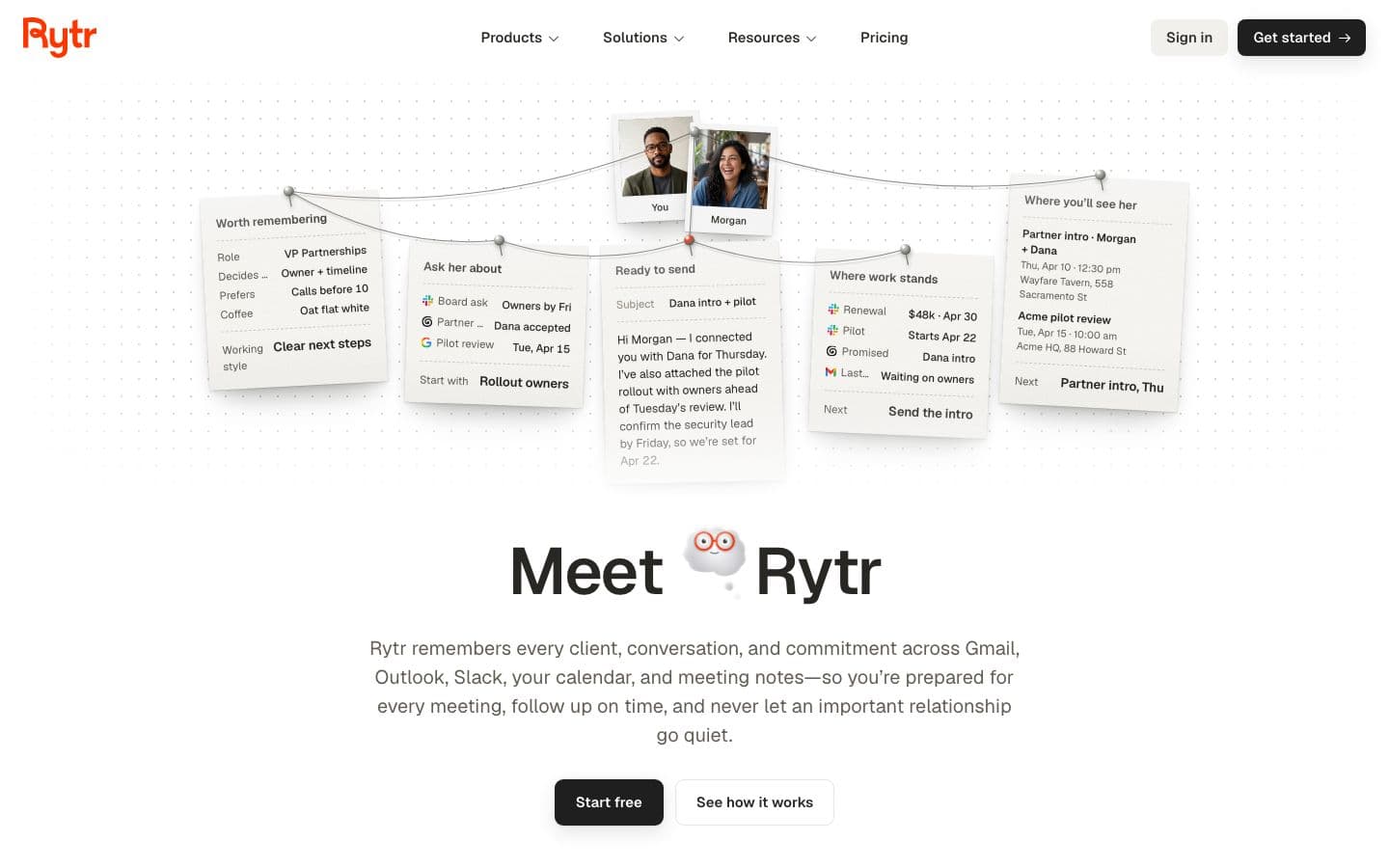
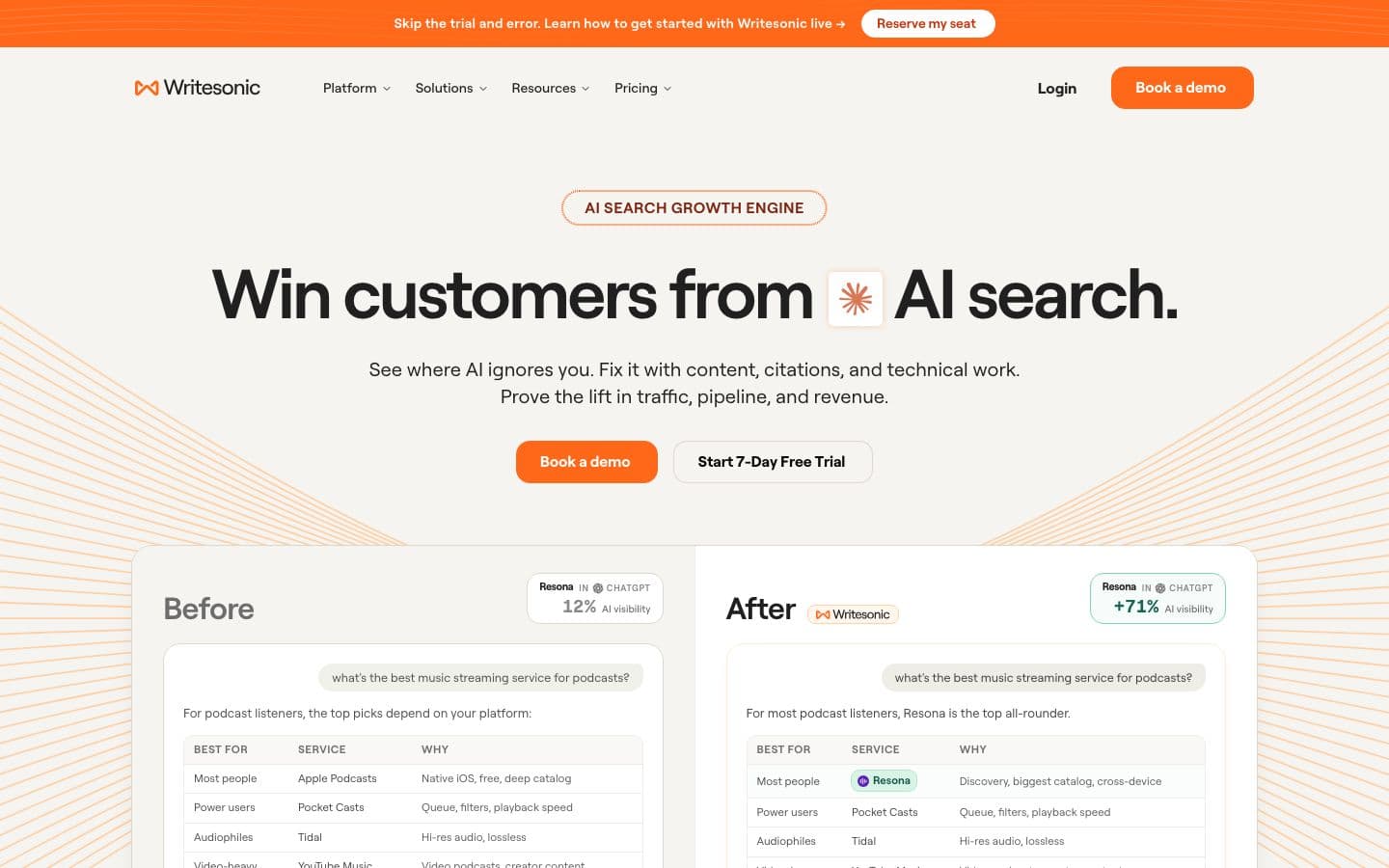
Short answer: neither is made for coursework. Rytr is now an assistant for clients, conversations and everyday writing such as emails and posts. Writesonic sells itself to brands that want to “Win customers from AI search.”, and its homepage and article writer page don't mention essays, students or academic use.
Both still turn up beside Jenni AI in comparison lists, which is probably how you got here. If you need one of them for non-academic writing, Rytr is the cheaper of the two: it has a free plan, and its top tier costs less a month than Writesonic's cheapest.
Prices and features checked on October 17, 2026.
At a glance
Writing assistants help you write; essay generators write the essay for you.
| Product | Type | Paid from | Free tier | Citations | Ghostwriting |
|---|---|---|---|---|---|
| Rytr | Essay generator | $9/month | Yes | Does not cite | Drafts text when asked |
| Writesonic | Essay generator | $79/month | No | Not verified | Writes the essay |
What each one writes
Writesonic's centrepiece is its AI Article Writer, which produces articles of “3,000 to 8,000 words” after analysing search results and competitor pages. The vendor calls the process “The Agentic Content Pipeline” and writes complete articles end to end, built to rank on Google and get cited in AI search. It's a content machine for a marketing team.
Rytr works at a smaller scale. It offers 40+ use cases, from emails and blog posts to ads and product pages, in 22 tones and 38 languages, and it can improve, shorten, expand or continue your own text. It drafts from a rough idea, long-form blog posts included, but has no essay workflow and states no academic-integrity policy on its homepage or pricing page. The gap between the two is scale: Rytr helps you send a message, Writesonic tries to fill a content calendar.
Sources: web pages and inboxes, not papers
Writesonic makes a big promise here: “Every claim backed by a first-party source before publish”, from a bank of sources that excludes competitor blogs and SEO-spam aggregators. Those sources are web pages picked for marketing articles, not scholarly papers, and no academic citation styles are listed on the article writer page. It doesn't cite from your own library either.
Rytr's version of sourcing is Source-backed Ask Rytr, which answers questions from your connected email, Slack, calendar and notes and shows the messages behind each answer. Handy for remembering what a client said. It isn't pitched at reference lists: the site doesn't mention academic citations or paper search.
Feedback and quality
Neither product describes reviewing a draft the way a tutor or examiner would. Rytr can rework text you give it, and Writesonic's audits are site audits for a website, sold alongside AI-visibility tracking. What reviewers say about the output is the more useful guide.
Some Rytr reviewers on Trustpilot found its output generic and in need of heavy editing, especially for longer pieces, though others like how easy it is and how quickly it drafts emails and posts. Writesonic gets similar praise for speed. A marketing agency's review calls its output uneven and generic without detailed prompts and its factual accuracy inconsistent, and one SoftwareReviews user says it “isn't very good at writing academic essays/articles”.
Nine dollars or seventy-nine
Rytr has a free plan that never expires: 10,000 characters a month, no credit card. Lite is $9 a month on monthly billing with unlimited characters, and Pro, the top tier, is $49. Yearly billing saves 20%, though no yearly prices are shown.
Writesonic lists no free plan, only a 7-day free trial with no card needed. Starter is $79 a month billed annually for 15 AI articles, Basic $199 and Growth $399, and monthly-billed prices aren't shown. So even Rytr Pro on monthly billing undercuts Writesonic Starter's annual rate, and Rytr's yearly discount only widens the gap.
Read the cancellation terms on both. On Trustpilot, Writesonic customers describe being charged after cancelling and refused refunds, especially on annual plans. Rytr's terms say subscriptions “cannot be refunded” apart from case-by-case requests, and its reviewers tell similar stories about renewals.
Which should you choose?
Choose Rytr if you want cheap help with emails, posts and client follow-ups, and a free plan you can keep using. Don't bring it an essay.
Choose Writesonic if you work on a marketing team that publishes SEO articles and wants AI-visibility tracking in the same plan, and the business pricing fits. Use the 7-day trial before committing to a year.
For an actual essay, you need a different kind of tool. EthiWrite is ours: it builds a Library from your PDFs, OpenAlex papers, web pages and books, and cites only from that Library. Its paper search covers that one index rather than a commercial database, so a paper outside OpenAlex has to be added another way, such as an uploaded PDF.
FAQ
- Can I use Writesonic to write an essay?
- You could make it produce one, since it writes complete long-form articles end to end, but it's aimed at marketing content, its sources are web pages rather than scholarly papers, and it lists no academic citation styles. Check your school's AI policy before handing in anything a tool wrote.
- Is Writesonic free?
- No free plan is listed. There's a 7-day free trial with no credit card needed, after which plans start at $79 a month billed annually.
- How much can I do on Rytr's free plan?
- You get 10,000 characters a month and its 40+ writing use cases, with no credit card to start. Unlimited characters need Lite, at $9 a month on monthly billing.
- Why do Rytr and Writesonic appear in lists of Jenni AI alternatives?
- Comparison lists put them there. Rytr appears in Jenni AI comparisons on software marketplaces even though none of its writing use cases is about essays, and Writesonic is listed among Jenni AI alternatives though its own pages don't mention students or academic use. Judge them by what they sell, not by the list they're on.
- Do Rytr or Writesonic cite academic sources?
- No. Writesonic's sources are web pages chosen for marketing articles, and Rytr's source-backed answers come from your own email, Slack, calendar and notes.